Gallery
Glimpses of IIPC Activities
A visual journey through our industry interactions, site visits, and collaborative events.
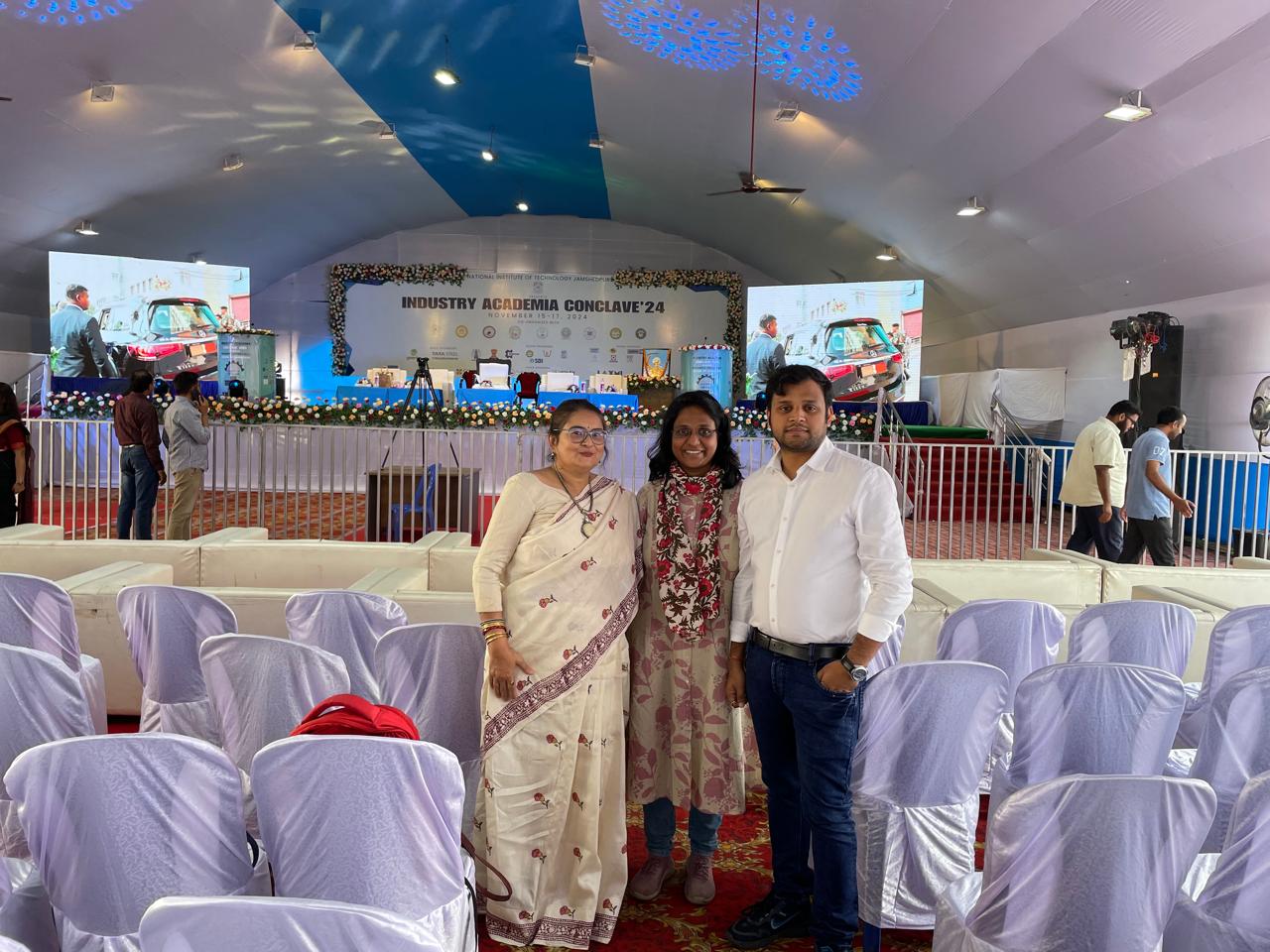
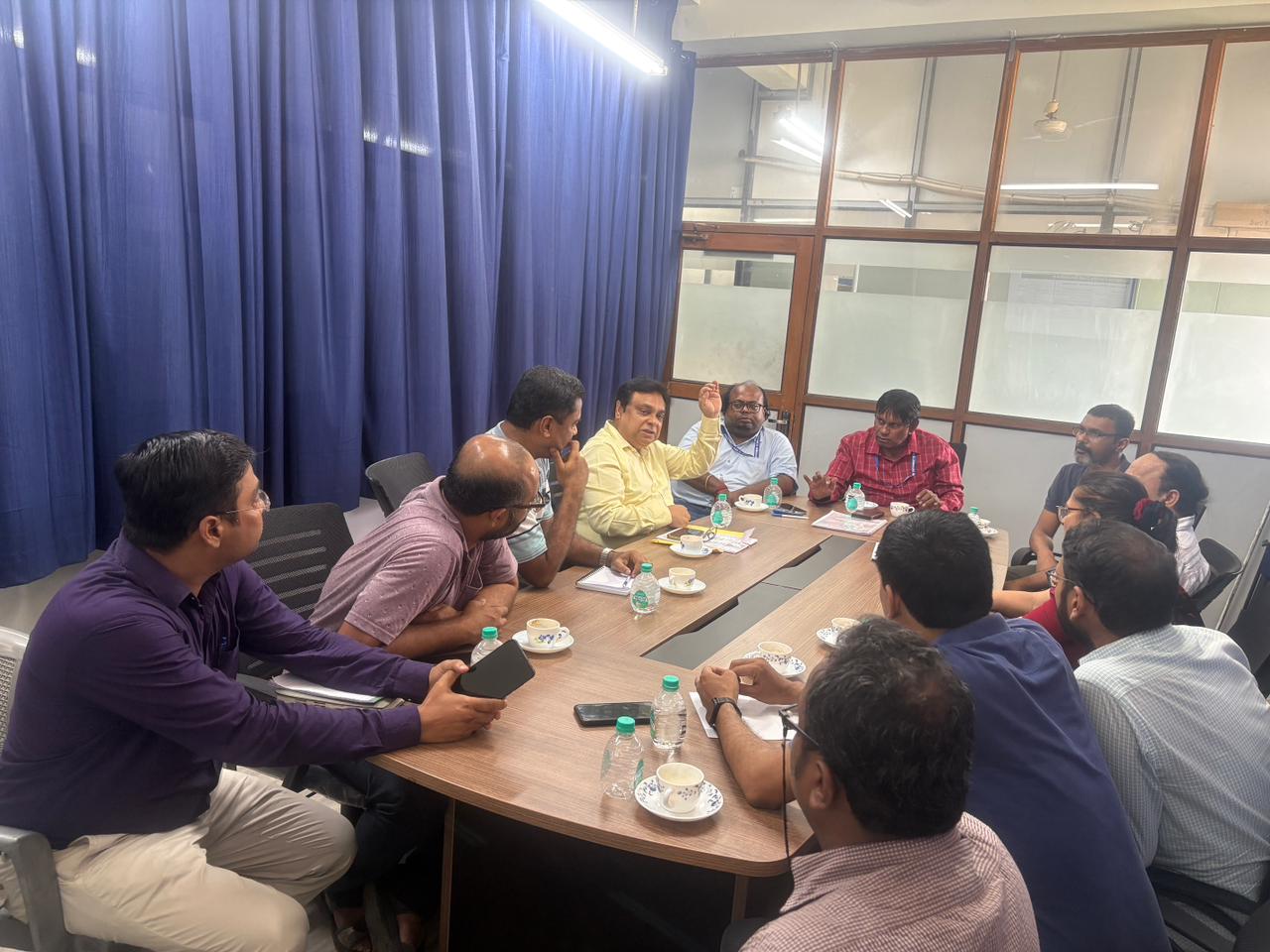
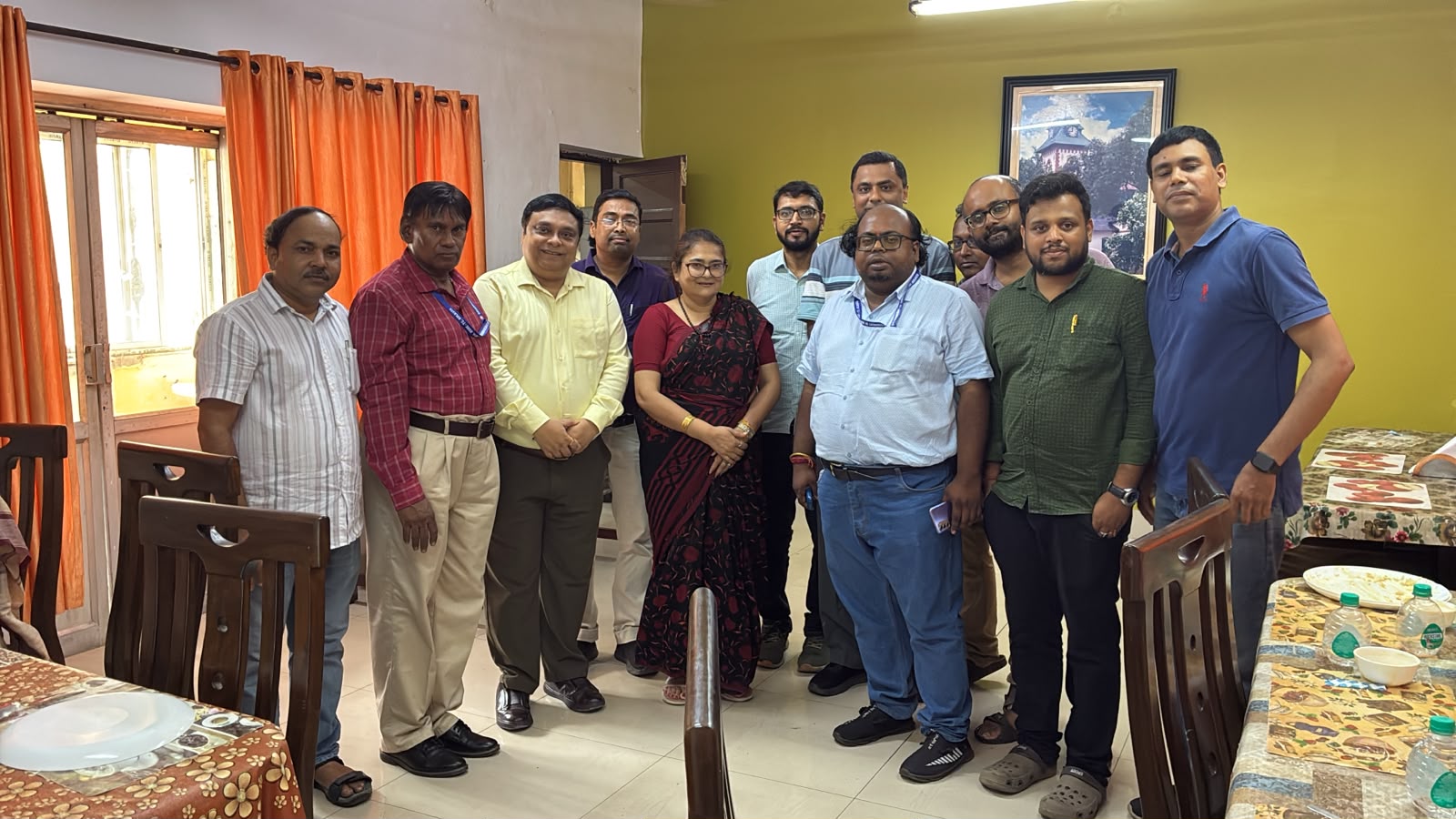
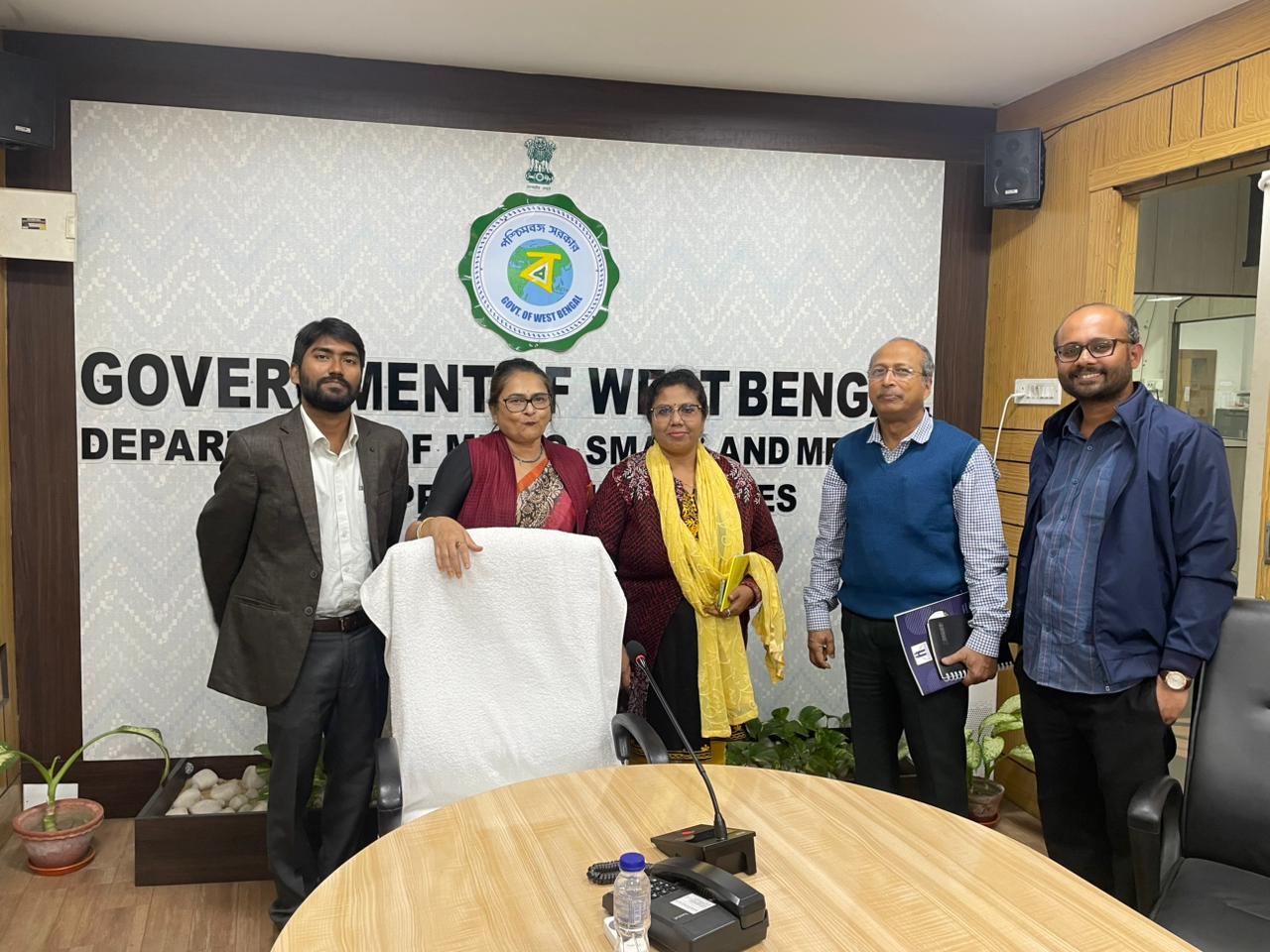
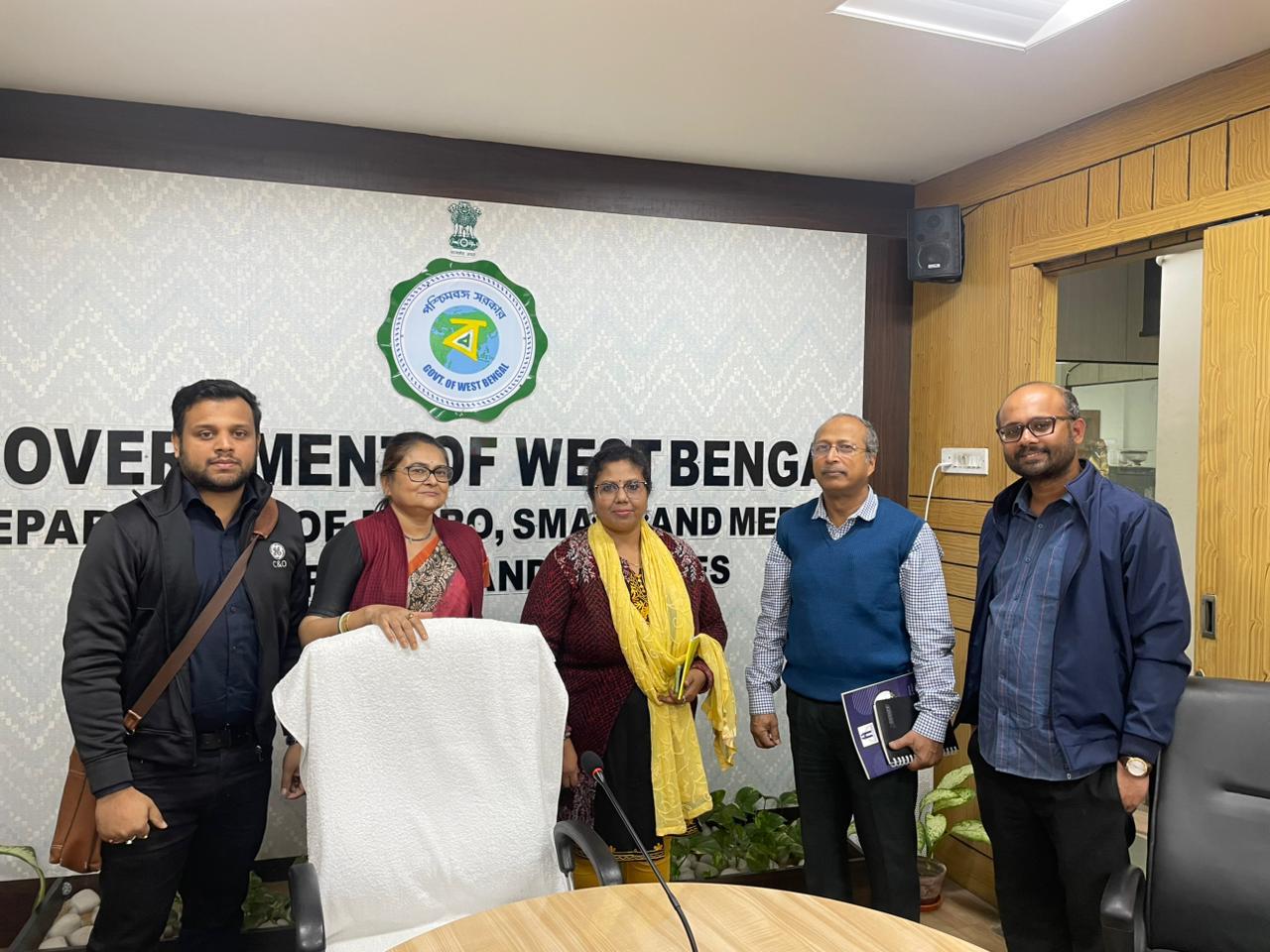
The Industry–Institute Partnership Cell (IIPC) at IIEST Shibpur fosters transformative collaborations in research, innovation, skill development, and technology transfer aligned with India's national priorities and Industry 4.0.
IIPC serves as the primary conduit for consultancy, sponsored research, joint R&D, technology transfer, internships, and executive development — connecting IIEST Shibpur's century-old engineering heritage with modern industrial needs.
A globally competitive ecosystem for industry-integrated research, innovation, and skill development.
Strengthen academia–industry ties, facilitate translational research, and enhance student employability.
Six pillars that anchor every industry partnership and collaborative initiative at IIPC.
MSME collaborations, RAMP scheme participation, and cluster-level technology interventions for real-world impact.
Formal engagements with DVC, TCS, BHEL, CESC, LINDE in energy, AI/ML, sustainability, and advanced research.
Industrial problem-solving, process optimisation, monitoring systems development, and applied R&D.
Patent facilitation, prototyping, digital transformation, and commercialisation of academic research outcomes.
Clean energy, heat recovery, green engineering, and sustainable campus development initiatives.
Industry-oriented curriculum, internships, AI/ML training, hackathons, and mock-interview programs.
A snapshot of our most impactful recent engagements with industry and academic partners.
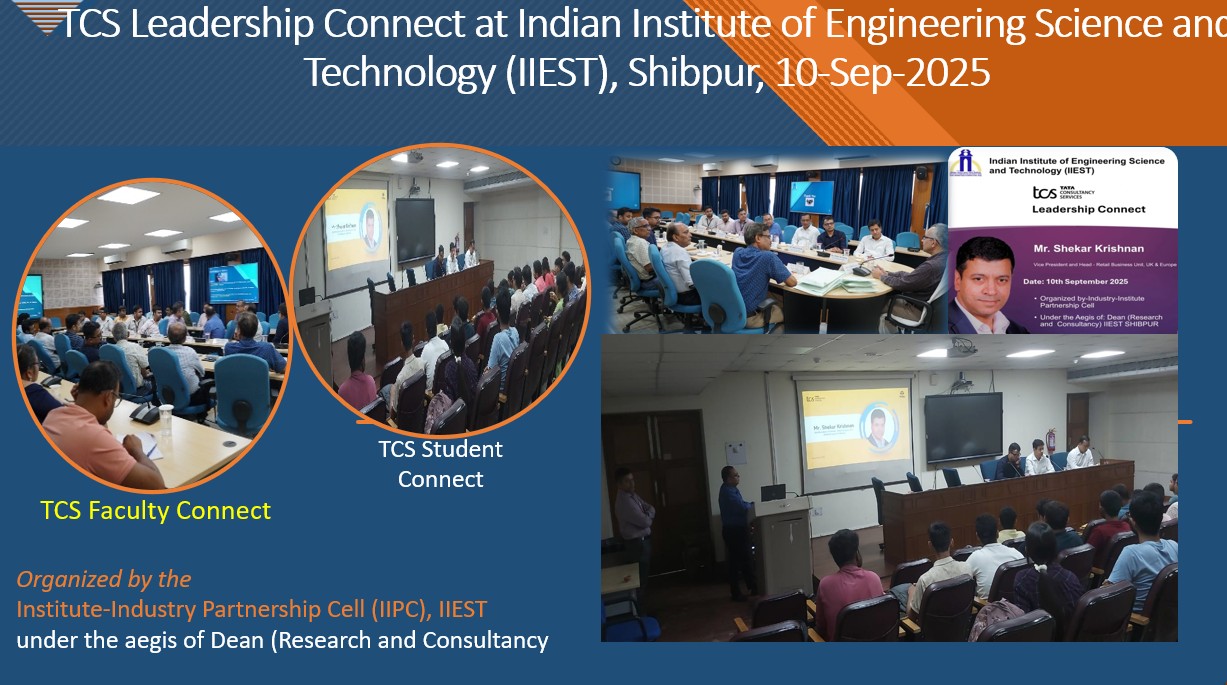
TCS conducted dedicated Student Connect and Faculty Connect sessions at IIEST Shibpur, fostering deep ties in AI/ML, domain knowledge, and career pathways. Organized under Dean (R&C) with IIPC coordination.
TCSIIEST hosted industry leaders and academic experts to advance Eastern India's clean energy agenda. Director Dr. VMSR Murthy highlighted strategic research strengths in renewable energy, sensor systems, and advanced materials.
CIIUnveiling of the High Computing Infrastructure at the EE Dept led to an MOU covering Cybersecurity, Heat Recovery from Open Mines, Grid Resilience data sharing, E-Waste Disposal, and New & Renewable Energy.
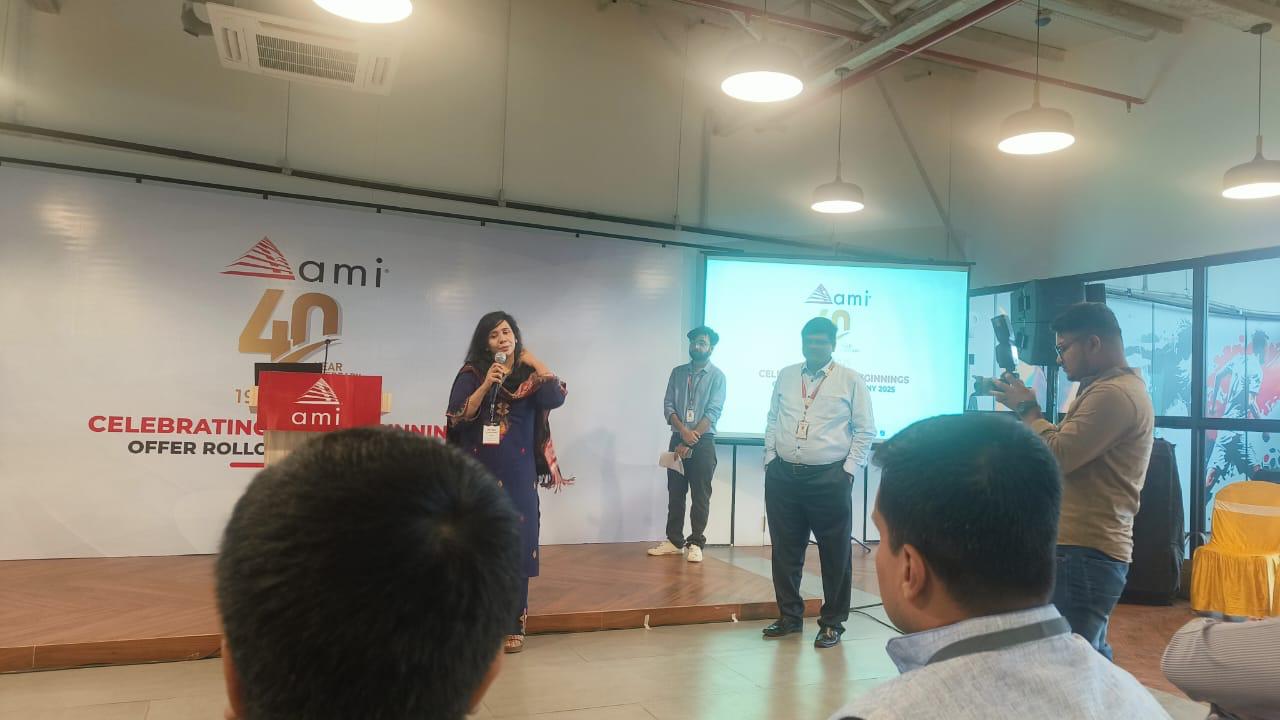
DVCA meeting with AMI's CEO Mr. Sanjoy Maity (IIEST alumnus) at the Director's Office initiated talks for a Centre of Excellence in Dynamic Firmware Creation for Computing Platforms, with intern and faculty research opportunities.
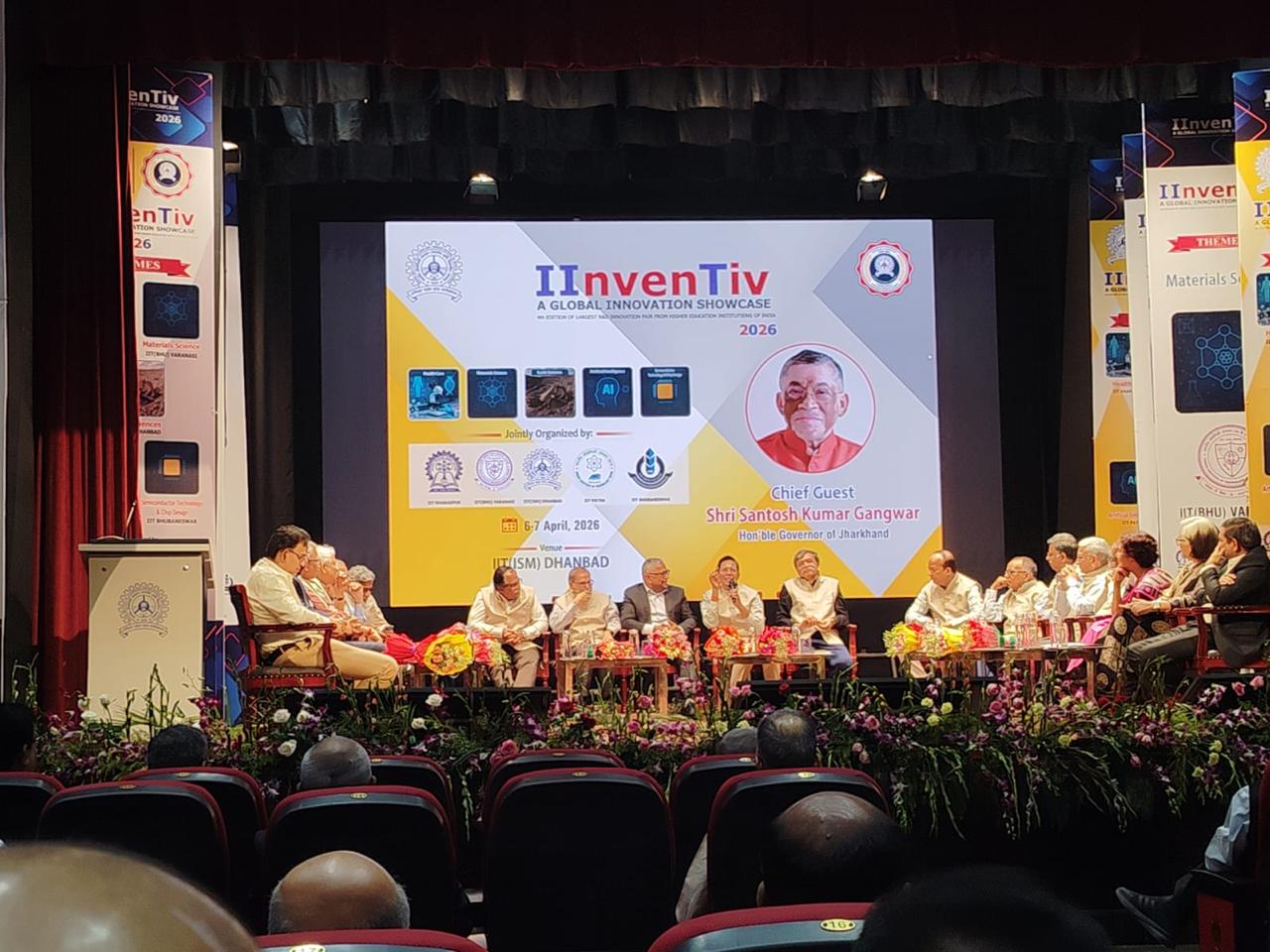
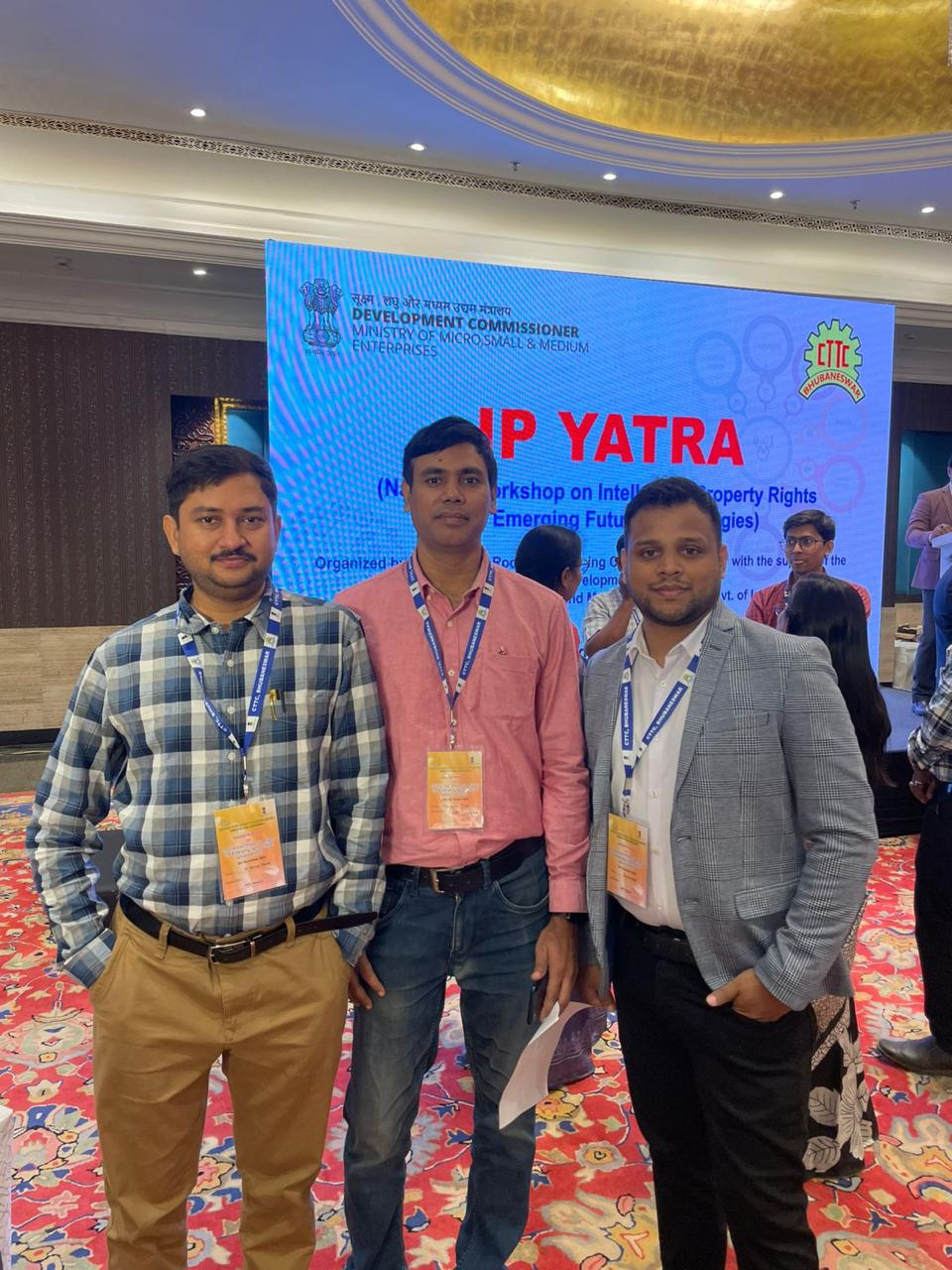
AMI, USAIIEST faculty attended the National IP Yatra event at Central ToolRoom Training Centre, engaging with General Manager CTTC and top officials from CSIR labs for IP and innovation collaboration.
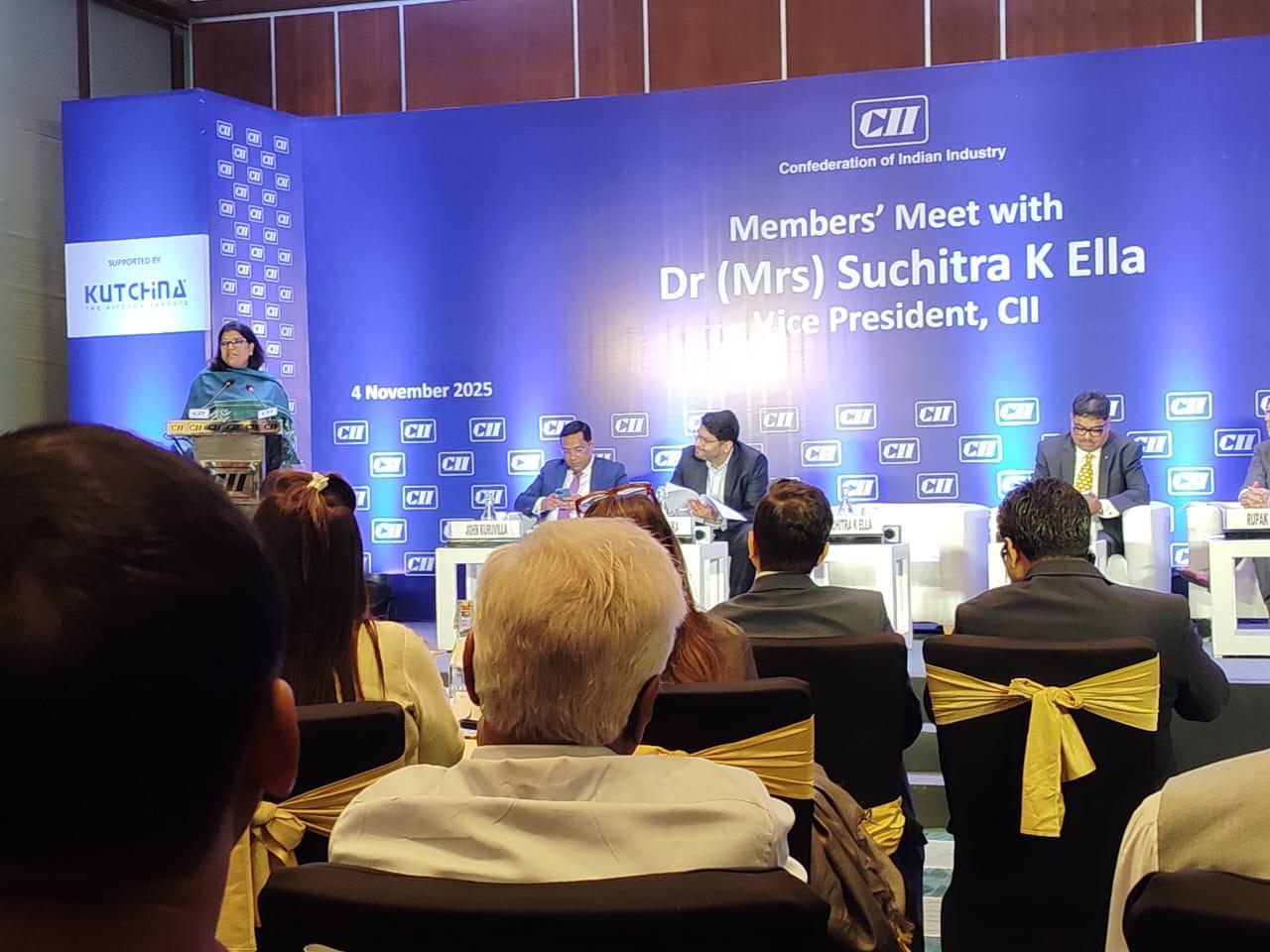
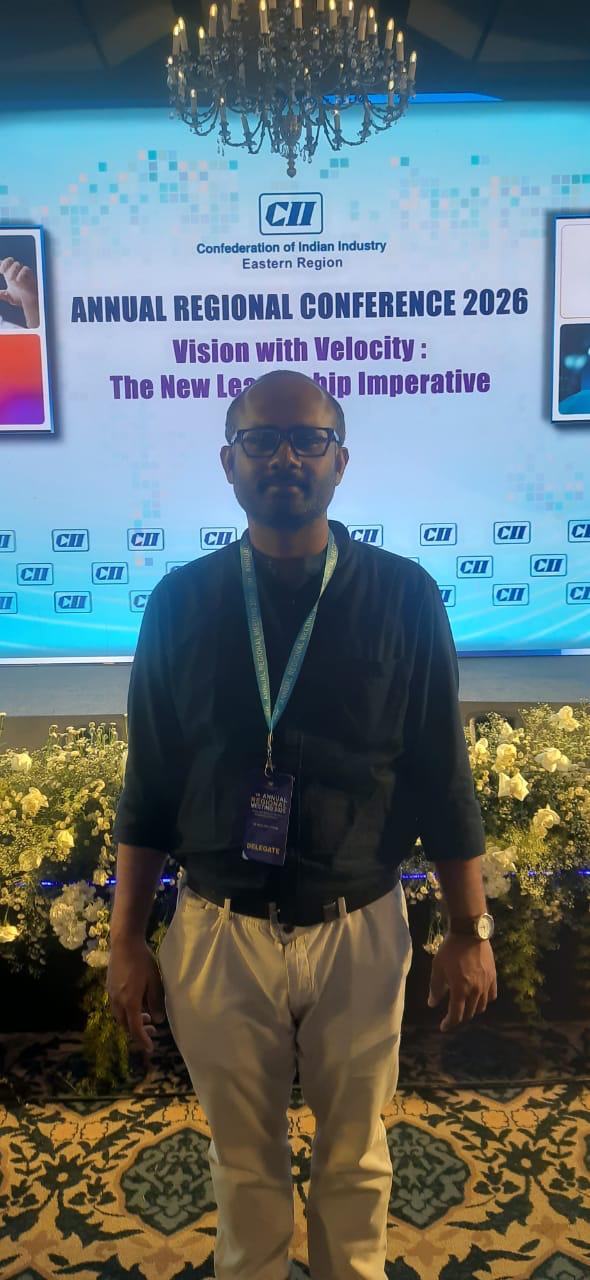
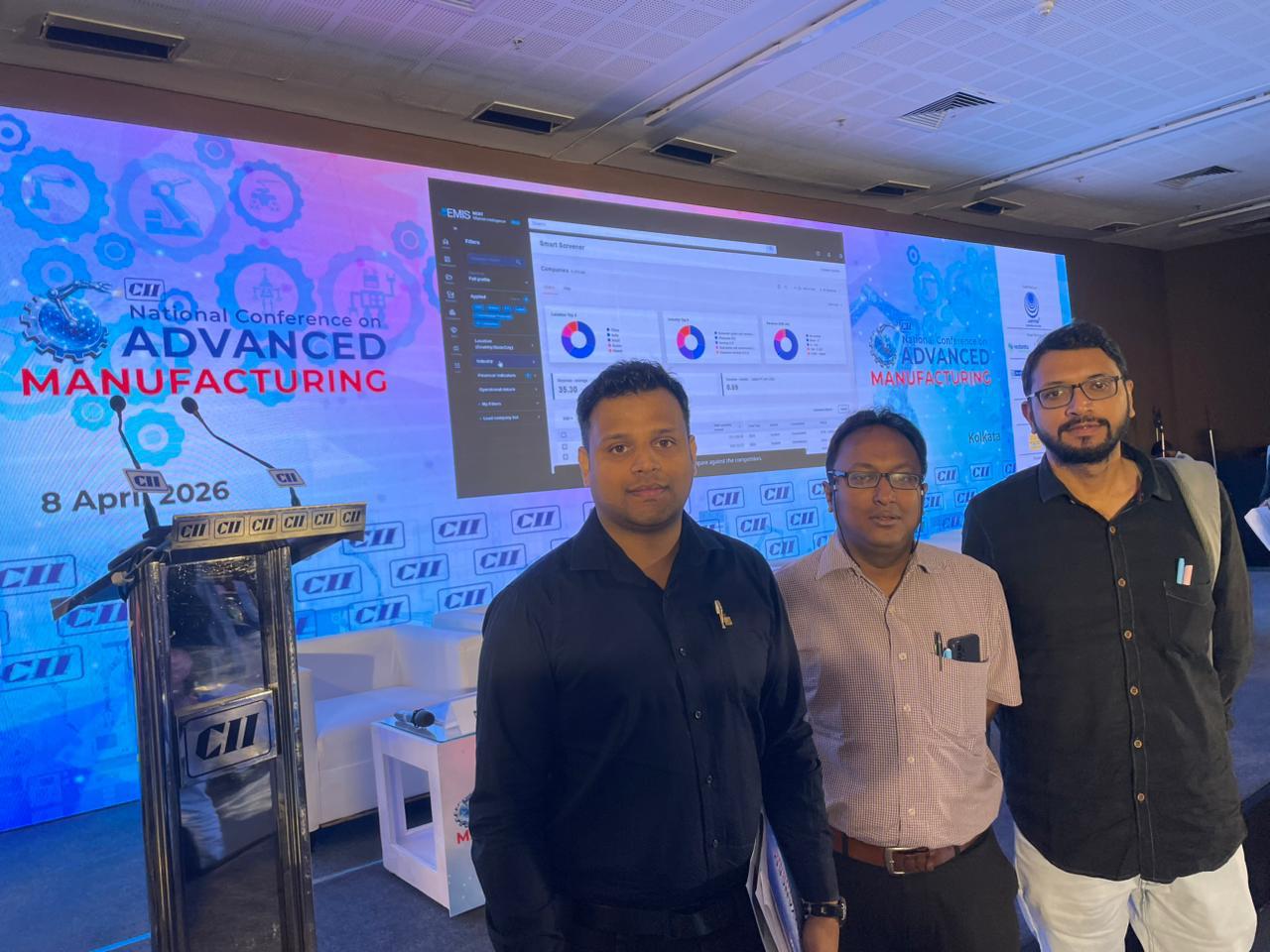
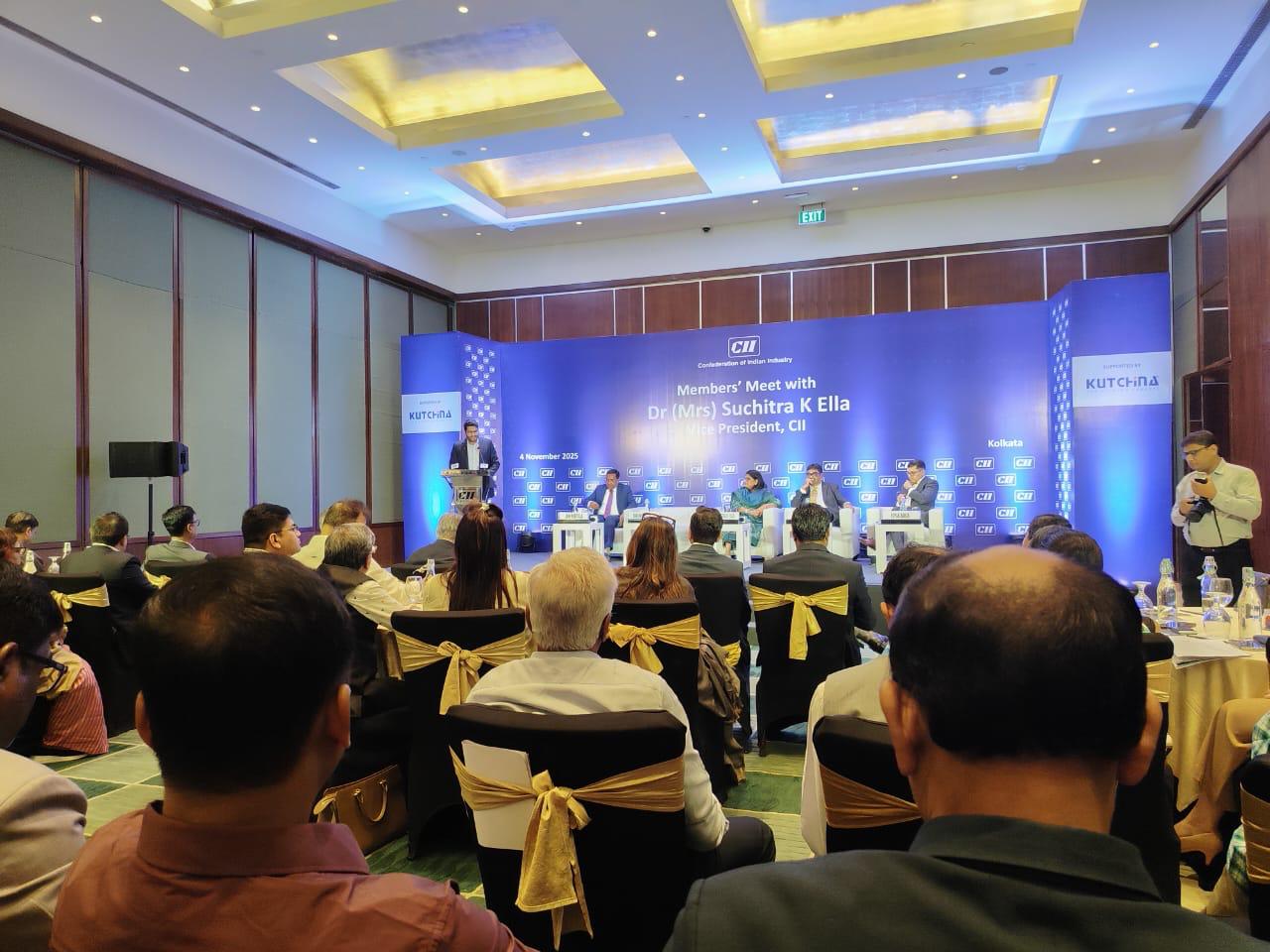
CTTC · CSIRIIPC members attended the CII Members' Meet to reinforce collaboration with industry partners, showcasing IIEST's research capabilities and strengthening ongoing industry linkages.
CIIA visual journey through our industry interactions, site visits, and collaborative events.
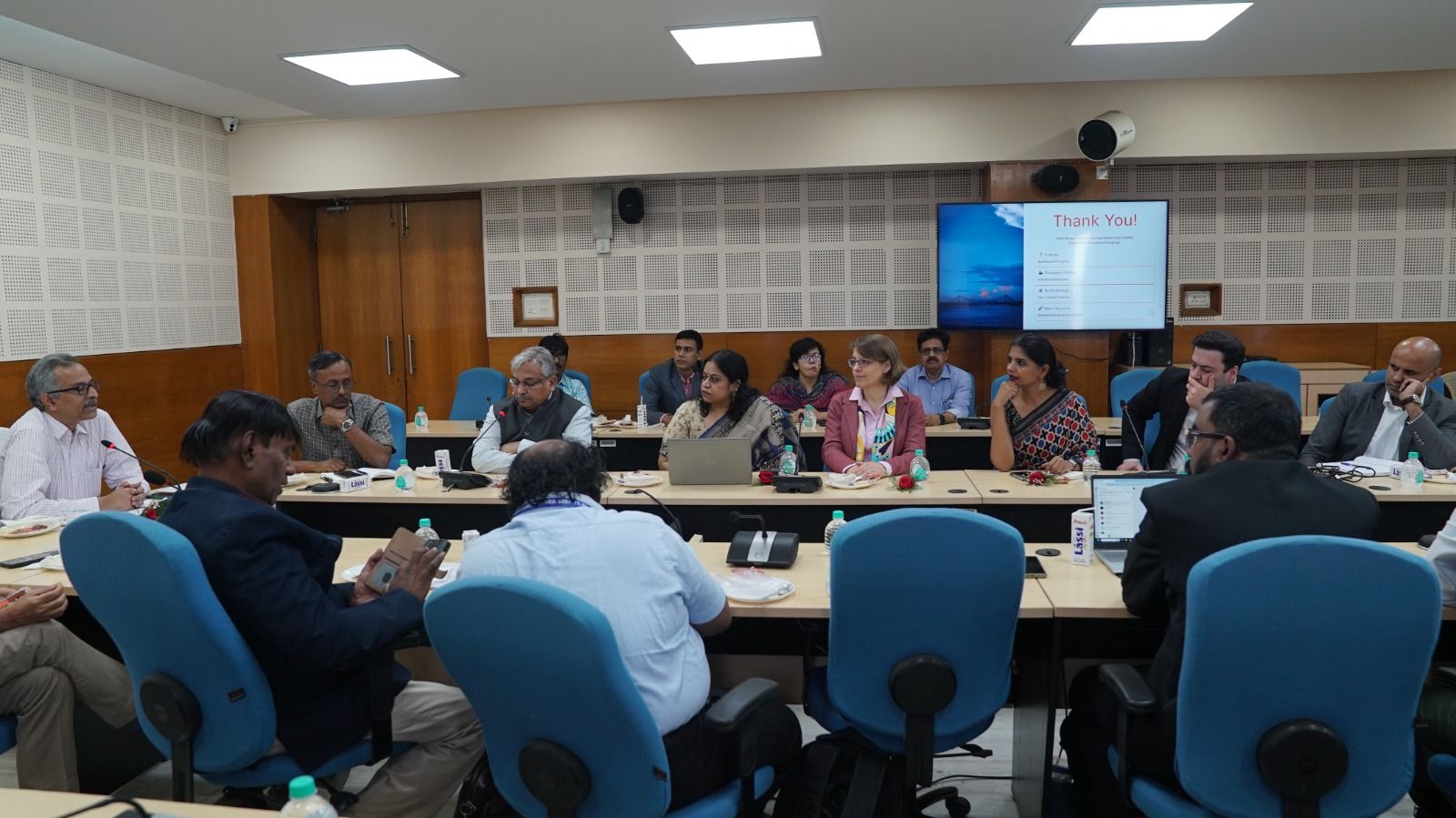
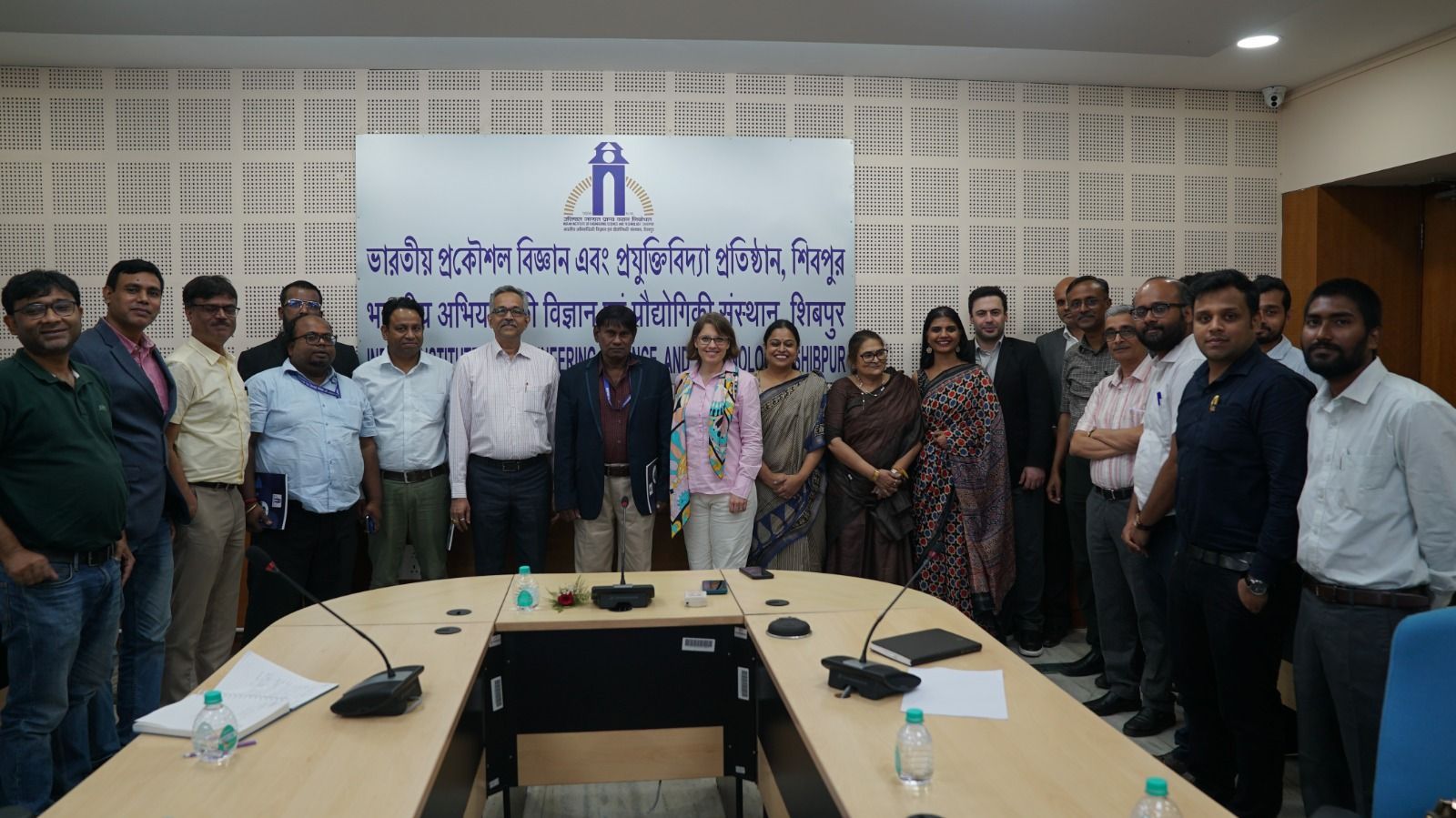
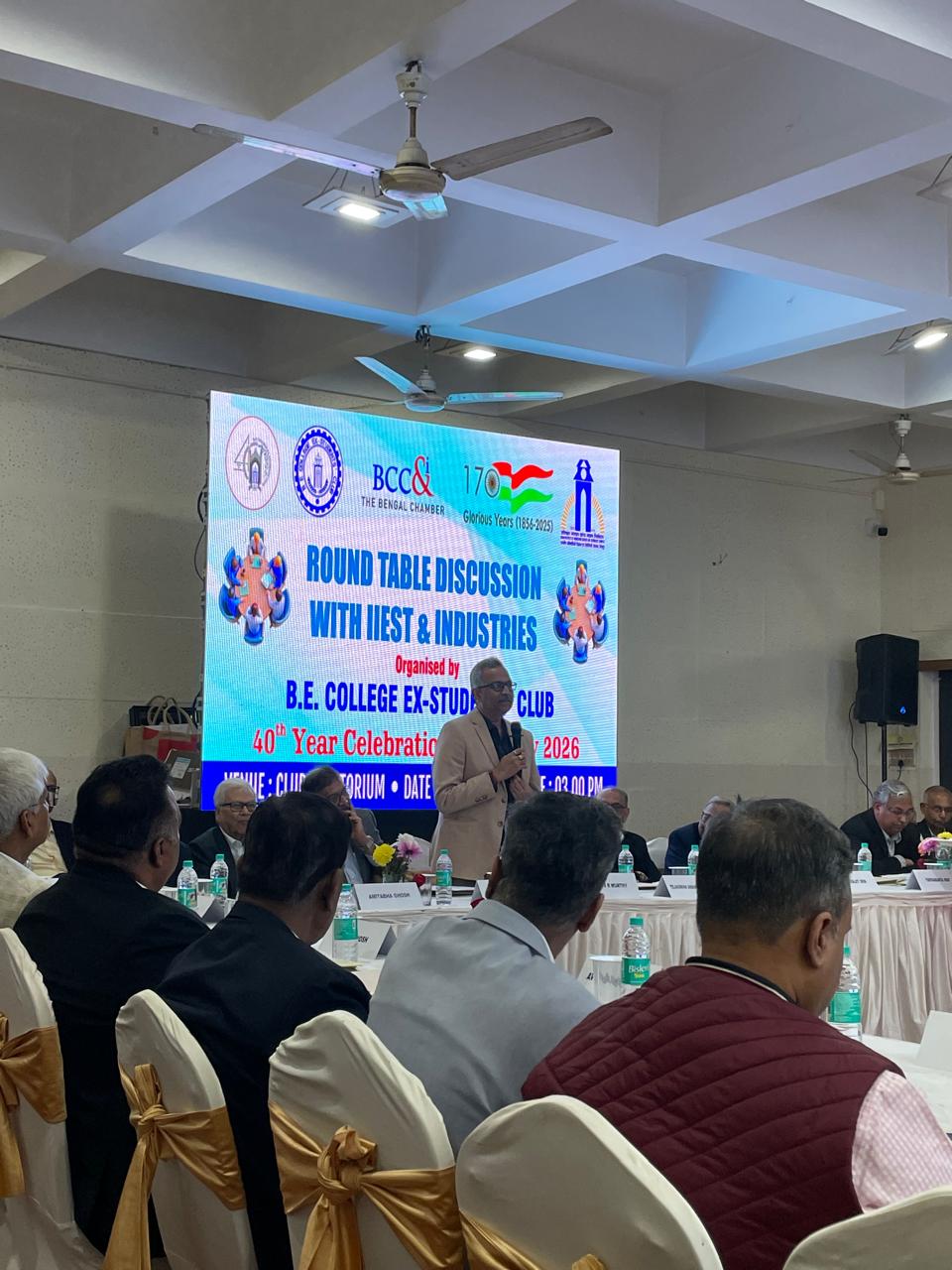
Key outcomes from the landmark roundtable discussion with 15+ industry leaders at IIEST Shibpur on 21 January 2026.
Industry experts proposed embedding domain knowledge and hackathons into curriculum design. LINDE and Entiovi Tech proposed Professors of Practice; CESC emphasised cost-optimised industrial solutions in syllabus.
DVC is interested in an MOU to facilitate prototype projects aligned with the Green Campus initiative. PEERLESS expressed eagerness for collaborative upskilling & reskilling programs.
Internal Combustion proposed internship structures across the student lifecycle. Exide Industries requested product-based research focus. CEMINDIA proposed live site visits for faculty and students.
TCS–IIEST Centre of Excellence MOU draft is ready. CESC expressed interest in joint PG/PhD research programs for solving industrial problems at the academic frontier.
TATA STEEL proposed New Tech Challenges on Digital Transformation; TSDPL focused on UG Innovation. TCS highlighted the need for AI/ML & Prompt Engineering skills.
NASSCOM/BCCI incubation centres may tie-up with TCGTBI for low-cost import substitution. SIEMENS and Peerless proposed soft skills and cognitive decision-making training for UG students.
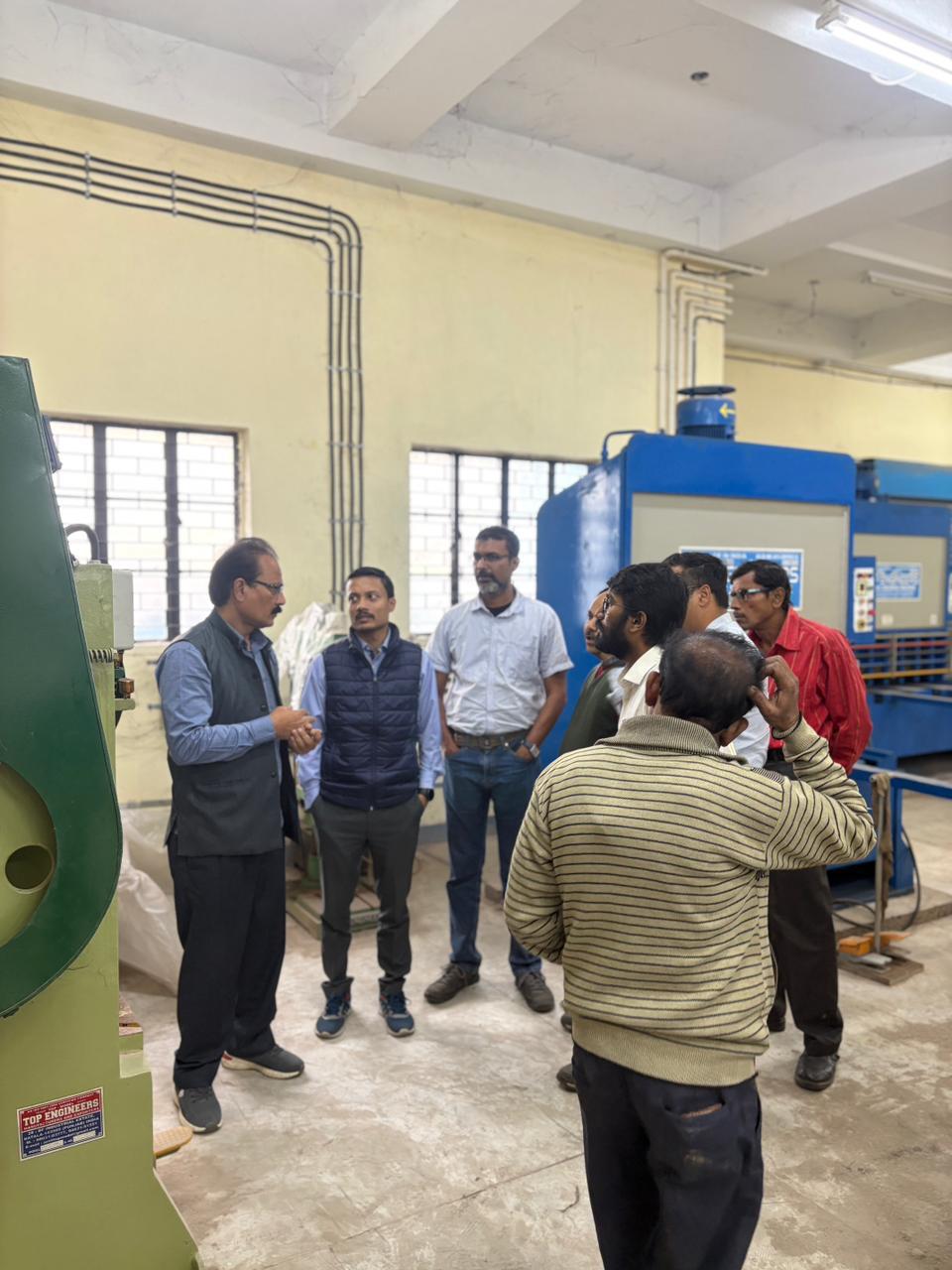
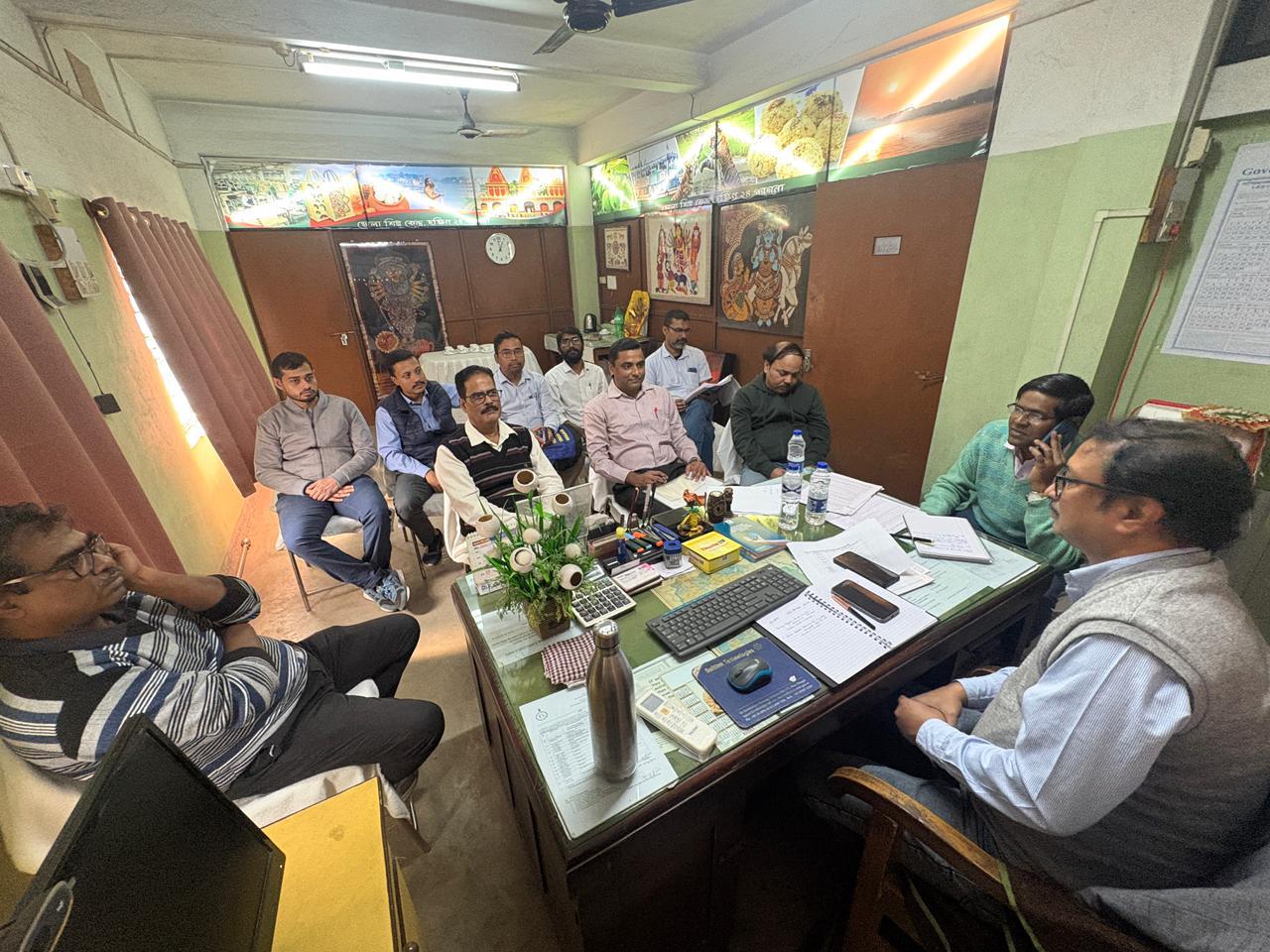
Following an online discussion on 13 Jan 2026, a multi-disciplinary IIEST team from Mechanical, Metallurgy, Workshop, Mining, and Electronics visited the DIC office of South 24 Parganas and the Common Facility Centre (CFC) at Baruipur. The objective was to understand ground-level and management-level requirements for transitioning surgical instrument production from manual to semi-mechanised processes for enhanced productivity and consistent quality — replacing manual hand forging with hydraulic/mechanical press or laser cutting operations.
Four Paradigms of Scope
Vetting of modification of existing equipment, to be carried out by the Bargachia Cluster.
Study of existing tender technical specifications for new equipment in view of the product portfolio and quality requirements.
Establishing quality standards and procedures for complete control over output product performance.
Process study and manufacturing process design for the switchover from manual to semi-mechanised production.
Our strategic priorities for the next phase of growth and industry collaboration.
Deepen formal agreements with national and international industry leaders across sectors.
Establish cutting-edge labs co-funded by industry partners for applied research and training.
Strengthen incubation, MSME partnerships, and entrepreneurship pathways for students and faculty.
Prioritise AI/ML, green engineering, and clean energy as core pillars of the next generation of collaboration.
Whether you're an industry leader, researcher, or student, we'd love to explore what a partnership with IIEST Shibpur's IIPC can achieve for you.
Prof. Konika Das (Bhattacharya)
IIEST Shibpur, Howrah, West Bengal – 711103
Industry Outcomes: Technology Transfer, MoU Engagements, Sponsored Research
Academic Outcomes: Curriculum Alignment, Internship Growth
Student Outcomes: Improved Employability & Technical Skills